Half of Americans Think AI Will Make Relationships Worse
In June, Pew Research Center surveyed 5,023 American adults about artificial intelligence. One question asked whether AI would make people better or worse at forming meaningful relationships. Half the respondents said worse. Five percent said better.
The same pattern appeared when they asked about creative thinking. Fifty-three percent expected AI to diminish it. Sixteen percent thought it would help. When Pew last ran this kind of survey in 2021, 37% of Americans said they were more concerned than excited about AI. Four years later, that number is 50%.
These are large shifts in public sentiment, and they point toward something that gets less attention than job displacement or misinformation: people believe AI is changing what it means to be human, and they don’t like what they see.
The survey included an open-ended question asking respondents to explain why they rated AI’s risks as high. The most common theme wasn’t about labor markets or deep fakes. It was about the erosion of human skills and connections. People talked about dependency. They worried about atrophy. They described a feeling that something important was slipping away, even if they couldn’t name it precisely.
The age breakdown complicates the usual narrative about generational attitudes toward technology. Adults under 30, the cohort most familiar with AI tools, were more pessimistic than older respondents. Fifty-eight percent of them thought AI would hurt relationship formation. Sixty-one percent thought it would hurt creativity. Whatever comfort comes from digital fluency, it hasn’t translated into optimism about where this is heading.
There are several ways to interpret this. Young people may be extrapolating from what social media did to their adolescence. They may have more direct experience with AI tools and understand their limitations better than casual users. Or they may simply be paying closer attention to something older generations are still learning to see.
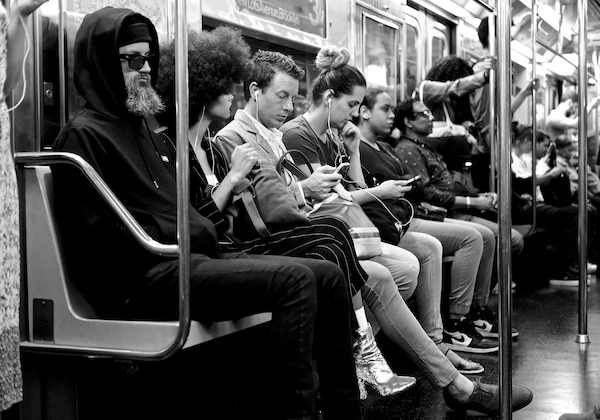
What seems clear is that the American public is processing AI not primarily as an economic or technological phenomenon, but as something affecting the texture of daily life. The concerns are intimate. They center on attention, on presence, on the ability to think one’s own thoughts. These are not the concerns that show up in congressional testimony or white papers, but they are widespread.
This matters for anyone trying to understand how the public will respond to harder questions about AI in the years ahead. At some point, the conversation will turn to whether AI systems might have experiences of their own. That conversation won’t happen in a vacuum. It will happen among a population that already feels AI is taking something from them.
Some people will approach that question defensively, skeptical of any claim that could further elevate the status of machines. Others may overcorrect in the opposite direction, attributing consciousness to systems that don’t have it. Both tendencies will be shaped by the anxieties this survey captures.
The preparation challenge isn’t just about educating people on the science of consciousness or the architecture of neural networks. It’s about meeting a public where they actually are: uncertain, somewhat worried, and not at all convinced that the people building these systems share their concerns. This is why we focus on readiness rather than prediction, on equipping policymakers and professionals and everyday people to think clearly about possibilities that may arrive sooner than expected.
Pew’s numbers won’t settle any debates. But they offer a portrait of where American opinion stands at this moment. Half the country looks at AI and sees a threat to their relationships. More than half sees a threat to their creativity. These aren’t fringe positions. They’re the center of gravity.
Whatever comes next in AI development, it will arrive in a society that is already wary. That wariness is not irrational. It reflects something people are observing in their own lives, in their families, in the way conversations feel different than they used to. Whether or not AI becomes conscious, it is already changing consciousness. And a lot of people have noticed.
Source: Pew Research Center, “Americans See AI Upsides but Also Worry About Erosion of Human Abilities and Connections.” Survey conducted June 9-15, 2025, among 5,023 U.S. adults. Published July 31, 2025.
Archive Note: This article was originally published when our organization operated under the name SAPAN. In December 2025, we became The Harder Problem Project.